
 By
By 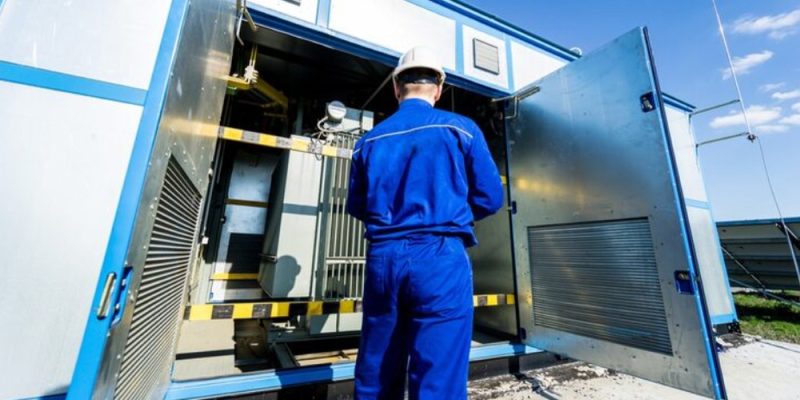
In today’s fast-paced business environment, uninterrupted power supply is no longer a luxury-it’s a necessity. Power outages, even if brief, can result in significant operational disruptions, financial losses, and damage to a company’s reputation. Ensuring business continuity requires a strategic approach to power management, combining reliable equipment, proactive maintenance, and innovative solutions to minimize downtime. From backup generators to advanced energy storage systems, businesses have multiple options to maintain steady operations and safeguard productivity.
Generator Services: A Lifeline for Reliable Power
Generator services play a crucial role in keeping businesses operational during unexpected power failures. Regular maintenance, inspection, and timely servicing of generators ensure that they are ready to perform when needed. Professional generator services include load testing, fuel system checks, battery inspections, and overall system diagnostics to prevent failures. By partnering with experienced service providers, businesses can guarantee that their generators operate efficiently, providing immediate backup power to critical systems such as servers, lighting, and manufacturing equipment. Proper generator maintenance not only prevents unexpected downtime but also extends the lifespan of the equipment, offering a reliable safety net during emergencies.
Generator Day Tank: Ensuring Fuel Availability
A generator day tank is an essential component for maintaining uninterrupted power. This tank stores a ready supply of fuel, allowing generators to run continuously during extended outages. Having a properly sized and maintained generator day tank ensures that businesses can sustain operations without interruption, even during prolonged power failures. Monitoring fuel levels, scheduling refills, and checking for contamination are vital steps to keep the day tank functional and reliable. By integrating generator day tanks into power management plans, businesses can reduce the risk of sudden shutdowns due to fuel shortages, ensuring critical systems remain online at all times.
Uninterruptible Power Supply (UPS) Systems: Immediate Backup Protection
While generators provide long-term power during outages, uninterruptible power supply (UPS) systems offer instant backup in case of sudden disruptions. UPS systems bridge the gap between a power outage and the generator kicking in, delivering continuous electricity to sensitive equipment such as computers, network servers, and medical devices. Advanced UPS solutions also protect against voltage fluctuations, surges, and power spikes, which can damage expensive equipment. By incorporating UPS systems alongside generators, businesses can create a layered approach to power continuity, ensuring both immediate and sustained protection.
Renewable Energy Solutions: Sustainable and Reliable Options
In addition to traditional backup systems, renewable energy solutions are becoming increasingly important for business continuity. Solar panels, wind turbines, and hybrid energy storage systems can supplement conventional power sources, providing additional reliability while reducing dependence on the grid. Energy storage solutions, such as lithium-ion or advanced battery systems, store excess renewable energy to be used during peak demand or outages. Implementing renewable energy not only enhances resilience against power disruptions but also contributes to sustainability goals, potentially reducing operational costs over time.
Monitoring and Remote Management: Proactive Power Oversight
Modern technology enables businesses to monitor power systems remotely, offering real-time insights into performance and potential issues. Remote monitoring allows for proactive maintenance, alerting facility managers to fuel levels, battery health, or generator performance before a failure occurs. This predictive approach minimizes downtime and ensures timely interventions, keeping operations running smoothly. Integrating remote monitoring with automated reporting and alert systems creates a comprehensive power management strategy that addresses potential vulnerabilities before they impact business continuity.
Conclusion
Ensuring uninterrupted power is a critical aspect of maintaining business continuity. Through a combination of generator services, properly maintained generator day tanks, UPS systems, renewable energy solutions, and remote monitoring, businesses can protect their operations from the unpredictable nature of power outages. Investing in reliable power infrastructure not only safeguards productivity but also instills confidence among clients, employees, and stakeholders. By adopting a proactive and multi-layered approach to energy management, businesses can achieve resilience, minimize operational risks, and thrive even in the face of unexpected power challenges.




Comments